
Expert Tips for Successful Earthworks Projects in Indonesia's Unique Climate


Indonesia's unique climate presents both challenges and opportunities for earthworks projects. With its tropical climate, frequent rainfall, and diverse landscapes, careful planning and execution are essential for success. In this post, we explore expert tips to navigate these challenges effectively.
Understanding Indonesia's Climate
Indonesia experiences a tropical climate with two distinct seasons: wet and dry. The wet season, characterized by heavy rainfall, can significantly impact earthworks projects. Understanding the timing and intensity of these seasons is crucial for planning.
During the wet season, managing water flow and ensuring proper drainage are vital to prevent erosion and flooding. Utilizing historical weather data can help forecast potential project disruptions.

Soil Considerations
The diverse soil types across Indonesia require specific attention. From volcanic to clay soils, each type reacts differently to moisture and compaction. Conducting thorough soil analysis before starting a project can prevent unforeseen issues.
For instance, clay soils can become waterlogged, leading to instability. Employing proper compaction techniques and soil stabilization methods can mitigate these risks.
Effective Project Planning
Successful earthworks projects in Indonesia begin with meticulous planning. This includes scheduling tasks around weather patterns and ensuring resources are available to handle unexpected delays.
Developing a flexible project timeline can accommodate weather-related disruptions. It's crucial to allocate additional time and resources for contingencies, ensuring the project stays on track.
Utilizing Local Expertise
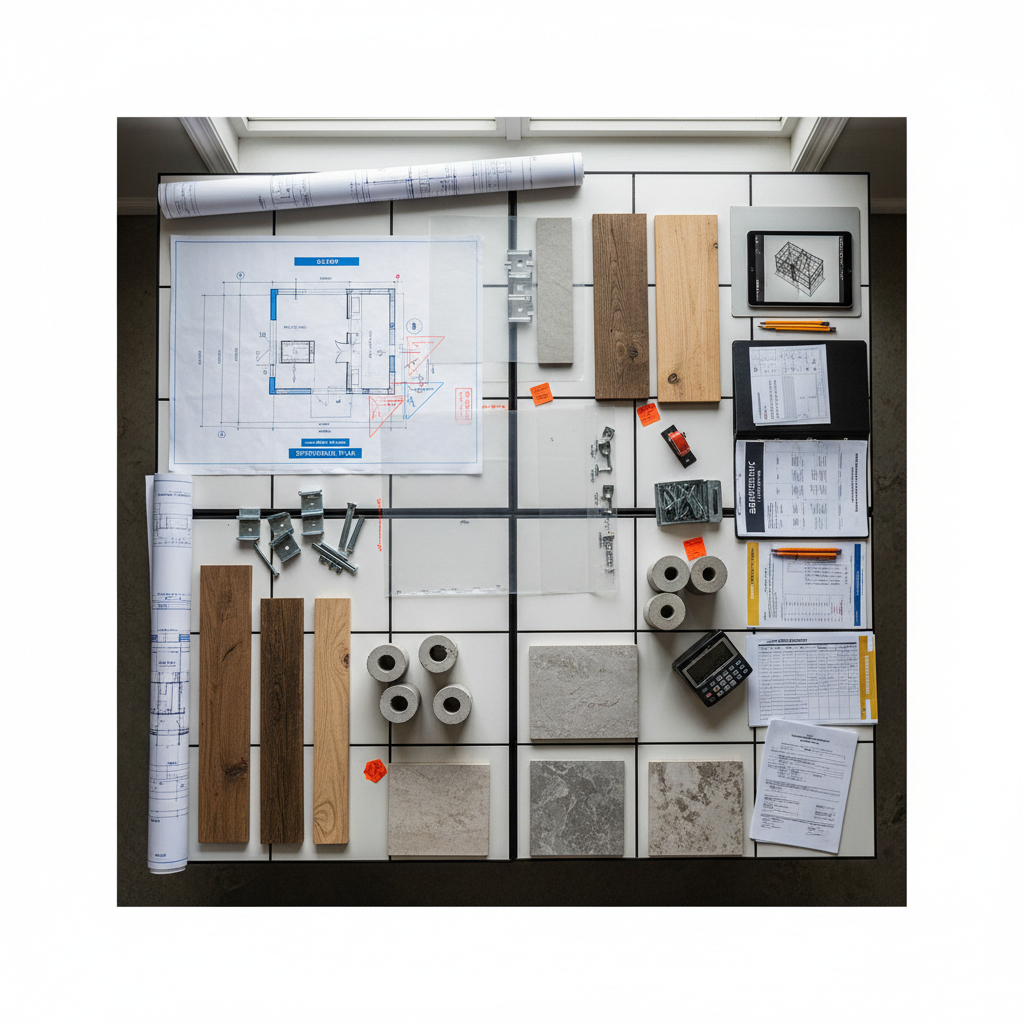
Engaging local experts who understand Indonesia's unique climate and terrain can provide invaluable insights. Their experience can guide decision-making, from choosing the right materials to implementing sustainable practices.
Local knowledge can also help in navigating regulatory requirements and obtaining necessary permits, streamlining the administrative process.
Implementing Sustainable Practices
Sustainability is increasingly important in earthworks projects. Utilizing eco-friendly materials and practices can reduce environmental impact. Techniques such as erosion control and reforestation can enhance project sustainability.
Incorporating green technologies can further improve efficiency and reduce costs. Solar-powered equipment and recycled materials are excellent options for sustainable development.
Monitoring and Maintenance
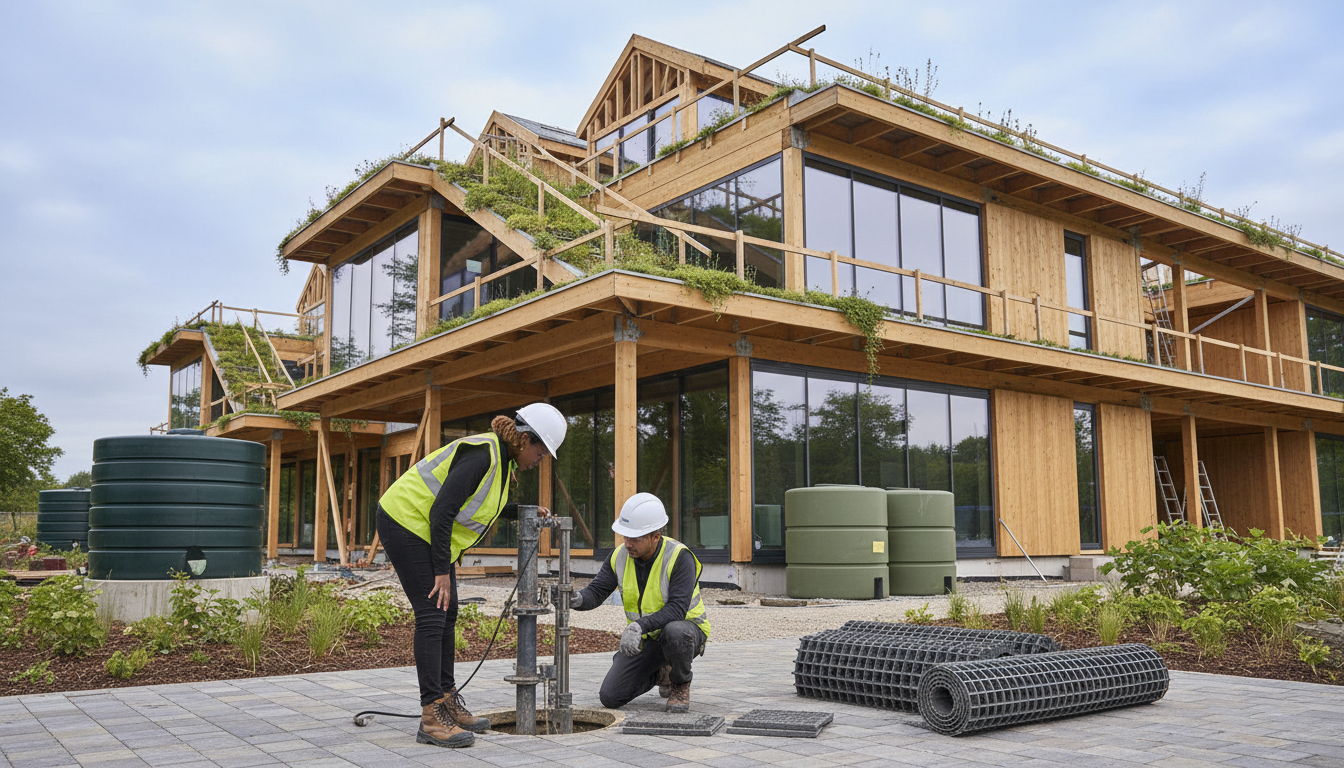
Continuous monitoring of the site is crucial, especially during the wet season. Implementing regular inspections can identify potential issues early, allowing for timely interventions.
Post-construction maintenance is equally important. Establishing a maintenance plan ensures the longevity and stability of the project, preventing costly repairs in the future.
By following these expert tips, earthworks projects in Indonesia can be successfully executed, overcoming the unique challenges posed by the climate and terrain. Careful planning, local expertise, and sustainable practices are key to achieving long-term success.