
Innovations in Earthworks Technology: The Future of Infrastructure Development


Revolutionizing Earthworks with Advanced Technology
The realm of earthworks is undergoing a significant transformation, driven by cutting-edge technology that promises to reshape the future of infrastructure development. As we push the boundaries of what's possible, these innovations are not only enhancing efficiency but also promoting sustainable practices.
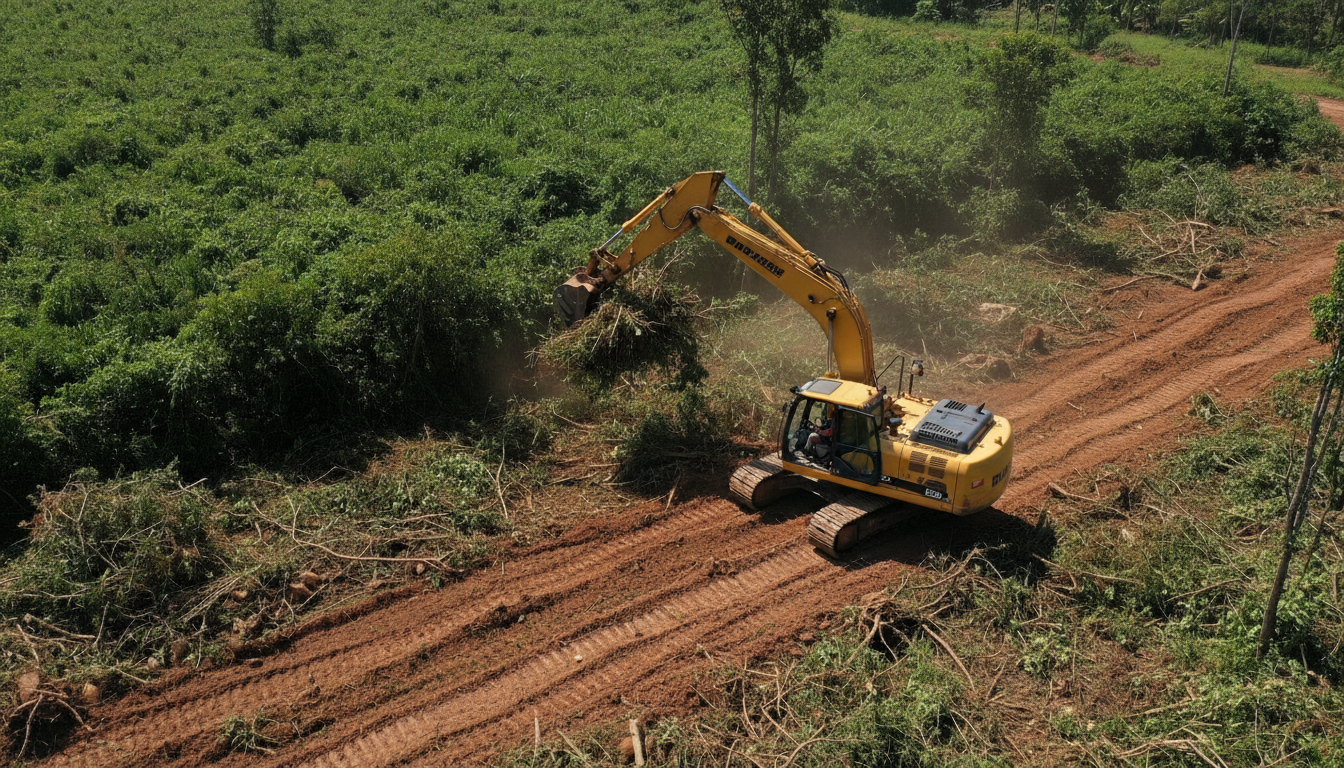
Automation and Robotics
One of the most groundbreaking advancements in earthworks technology is the integration of automation and robotics. Autonomous machinery is now capable of performing complex tasks with precision and speed, reducing the need for manual labor and minimizing human error. Drones, for instance, are increasingly used for site surveys and monitoring, providing real-time data that aids in effective decision-making.
Robotic excavators and bulldozers are also becoming commonplace, programmed to perform repetitive tasks with remarkable accuracy. This shift not only boosts productivity but also enhances safety on construction sites.
3D Modeling and Simulation
Another key innovation is the use of 3D modeling and simulation technologies. These tools allow engineers to visualize and plan projects with unprecedented detail, ensuring that every aspect of the design is optimized before breaking ground. By simulating different scenarios, potential challenges can be identified and mitigated early in the planning process.
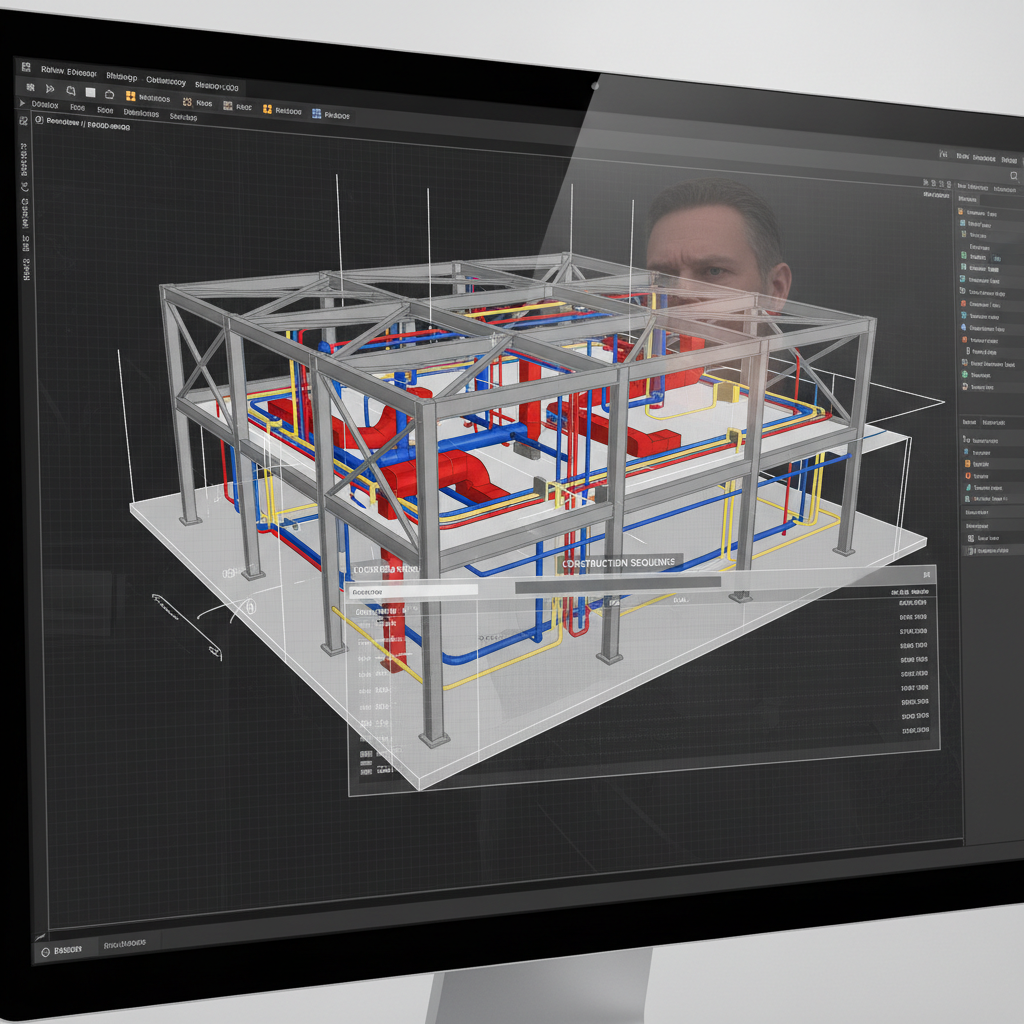
Such technologies help in reducing costs and time delays, as adjustments can be made in the virtual environment rather than in the field. This proactive approach is crucial for large-scale projects where precision is paramount.
Environmental Sustainability
Incorporating environmental sustainability into earthworks technology is becoming increasingly important. New materials and techniques are being developed to minimize environmental impact. For instance, using recycled materials in construction and implementing erosion control measures can significantly reduce the carbon footprint of projects.
Moreover, smart technology enables the monitoring of environmental conditions in real-time, allowing for adaptive strategies that protect local ecosystems. These efforts not only contribute to a healthier planet but also appeal to stakeholders who prioritize sustainability.
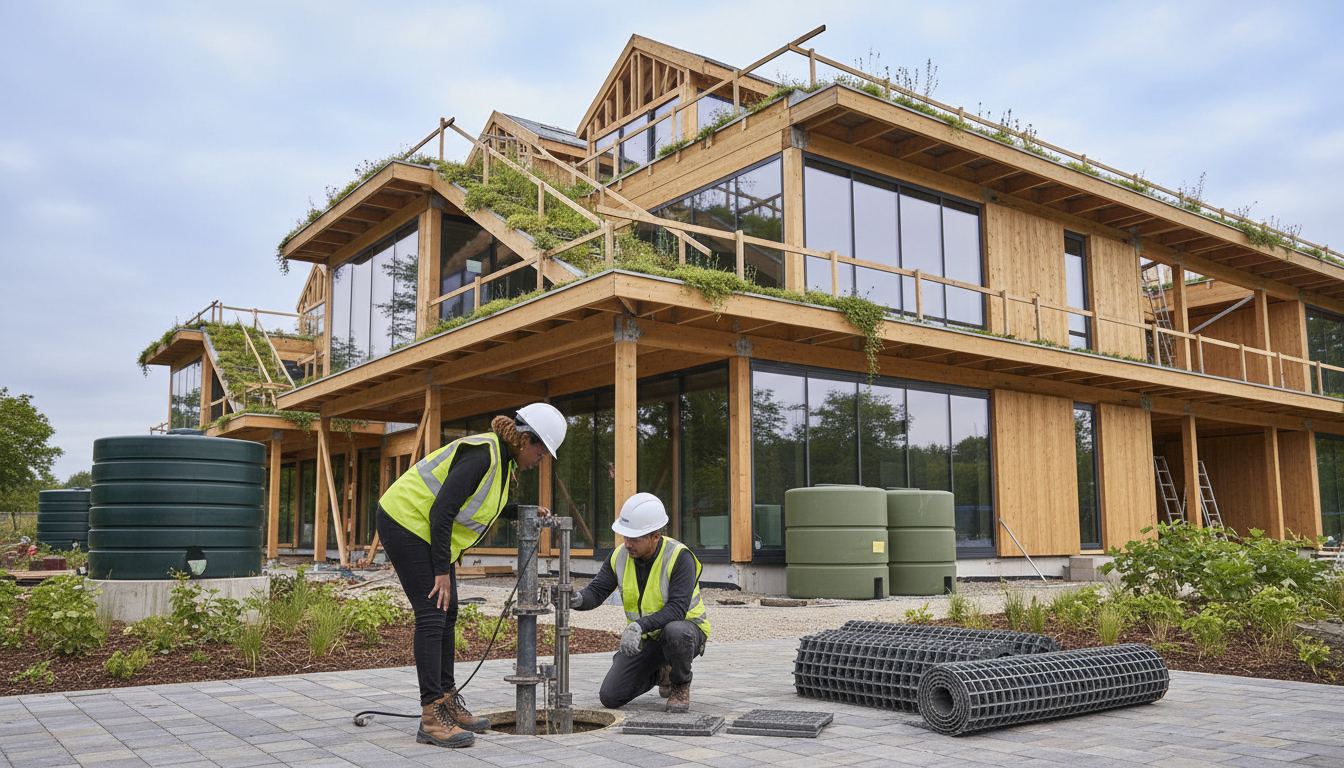
Advanced Materials and Techniques
The development of new materials and innovative construction techniques is another area of rapid progress. Geosynthetics, for example, are being used to reinforce soil and improve stability, offering a durable and cost-effective solution for infrastructure projects. Additionally, the use of prefabricated elements can accelerate the construction process, reducing both time and labor requirements.
- Geosynthetics for improved soil stability
- Prefabricated elements for quicker construction
- Recycled materials for sustainable practices
The Future of Earthworks
As these innovations continue to evolve, the future of earthworks technology looks promising. The integration of artificial intelligence, machine learning, and IoT devices is set to further revolutionize the industry. Smart equipment that learns and adapts to its environment will enhance efficiency and precision, paving the way for more ambitious infrastructure projects.
Overall, the fusion of technology and earthworks is leading to a new era of infrastructure development, characterized by enhanced efficiency, sustainability, and innovation. As we embrace these advancements, the possibilities for creating resilient and sustainable infrastructure are endless.