
Planning Earthworks During the Dry Season in South Tangerang: Tips and Best Practices


Planning earthworks during the dry season in South Tangerang can significantly streamline construction projects and reduce the risk of weather-related delays. The arid conditions offer unique advantages for earthmoving, excavation, and land grading activities. However, it’s crucial to plan meticulously to maximize these benefits.
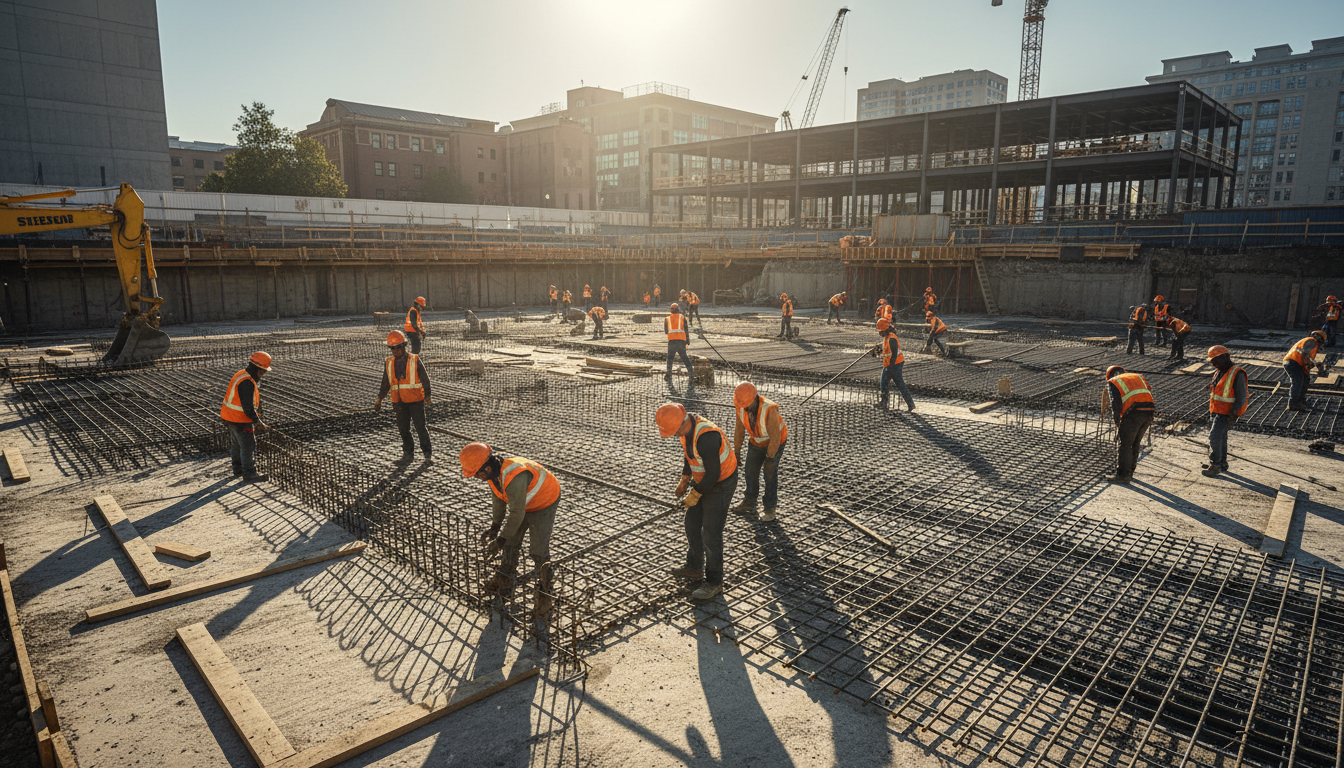
One of the main advantages of conducting earthworks during the dry season is the improved ground stability. The absence of rain reduces soil moisture, minimizing the risk of landslides and soil erosion. This stability makes it easier to manage heavy machinery and conduct precise excavation work.
Assessing the Site
Before beginning any earthwork project, thorough site assessment is essential. A detailed survey will help identify potential challenges, such as underground utilities or varying soil types. Understanding these factors can guide the selection of appropriate machinery and techniques.
Engaging with local experts who understand the specific geological conditions of South Tangerang can offer invaluable insights. Their expertise can help in identifying the most suitable areas for excavation and the best methods for soil management.
Choosing the Right Equipment
The dry season allows for the use of a wide range of machinery without the risk of getting bogged down in mud. Opt for equipment that is specifically designed for dry conditions, as it enhances efficiency and reduces wear and tear. Regular maintenance checks ensure that the machinery operates at peak performance.

Effective Dust Control
One of the main challenges during the dry season is managing dust generated by earthworks. Implementing dust control measures is crucial to minimize health risks and ensure compliance with environmental regulations. Strategies such as water spraying, using dust suppressants, or erecting barriers can be effective.
Additionally, scheduling activities during cooler parts of the day can help in reducing dust dispersion. Ensuring that workers use appropriate protective equipment further enhances safety on site.
Efficient Project Management
Effective project management is vital to ensure that earthworks are completed on time and within budget. Developing a comprehensive timeline, with clear milestones and contingency plans, helps in managing resources efficiently. Regular progress reviews and communication with all stakeholders keep the project on track.

Environmental Considerations
While the dry season provides optimal conditions for earthworks, it’s important to remain mindful of environmental impacts. Implementing sustainable practices, such as reusing excavated materials and maintaining natural vegetation, helps in preserving the local ecosystem.
Obtaining the necessary permits and adhering to local regulations is crucial. Collaborating with environmental experts can ensure compliance and promote eco-friendly practices.
Community Engagement
Engaging with the local community is also important when planning earthworks. Keeping residents informed about the project timeline and potential disruptions fosters goodwill and cooperation. Addressing any concerns promptly demonstrates a commitment to social responsibility.
By following these tips and best practices, planning earthworks during the dry season in South Tangerang can lead to successful project outcomes, while minimizing environmental and social impacts.